
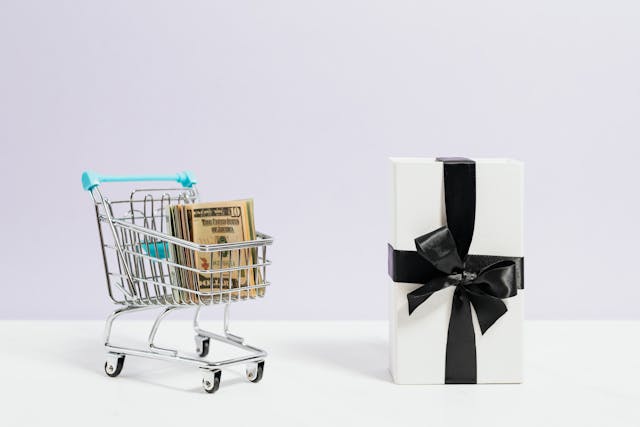
For a long time, people were encouraged to spend money like the consequences barely mattered. If something broke, replace it. If a newer version came out, upgrade it. If you wanted convenience, pay extra for it. Everything became fast, disposable, subscription-based, and overpriced all at once.
And for a while, a lot of people went along with it because they could. Or at least because they thought they could.
But now? Life got expensive enough to interrupt the illusion.
People are starting to pause before they buy things again. Not because they suddenly became financial experts overnight, but because everyday life is forcing people to think differently. When groceries cost what they cost now, when rent looks the way it looks now, when insurance, utilities, and basic necessities keep climbing, people naturally become more careful.
And honestly, a lot of folks are returning to habits they grew up around without even realizing it.
People are cooking at home more. Holding onto cars longer. Learning how to fix things instead of replacing them immediately. Wearing clothes longer. Comparing prices again. Asking themselves if something is actually worth it before buying it.
That used to be normal.
Somewhere along the way, that mindset got framed as being cheap, outdated, or behind the times. Spending became tied to status, convenience became tied to success, and overconsumption became so normalized that restraint started looking strange.
Now the economy is forcing people to separate wants from needs again.
And that’s not always easy because modern culture trained people to confuse access with affordability. Just because something can be financed, split into payments, or ordered instantly does not mean it actually makes financial sense.
A lot of people are realizing they were never really building stable lives. They were maintaining expensive routines.
There’s also something deeper happening underneath all of this. People are rediscovering the value of being resourceful. Knowing how to stretch money. Knowing how to make things last. Knowing how to live without constantly buying something.
Those habits were never meaningless. A lot of them came from people who understood instability firsthand.
That does not mean every “old way” was better. Some of those habits were born from struggle and limitation. But there was wisdom inside a lot of them that got ignored during years of easy spending and constant consumption.
Now reality is correcting some of that.
And the truth is, most people are not becoming minimalists because it is trendy. They are becoming more intentional because life is expensive enough to force the question… Is this actually worth it?
Leave a Reply