
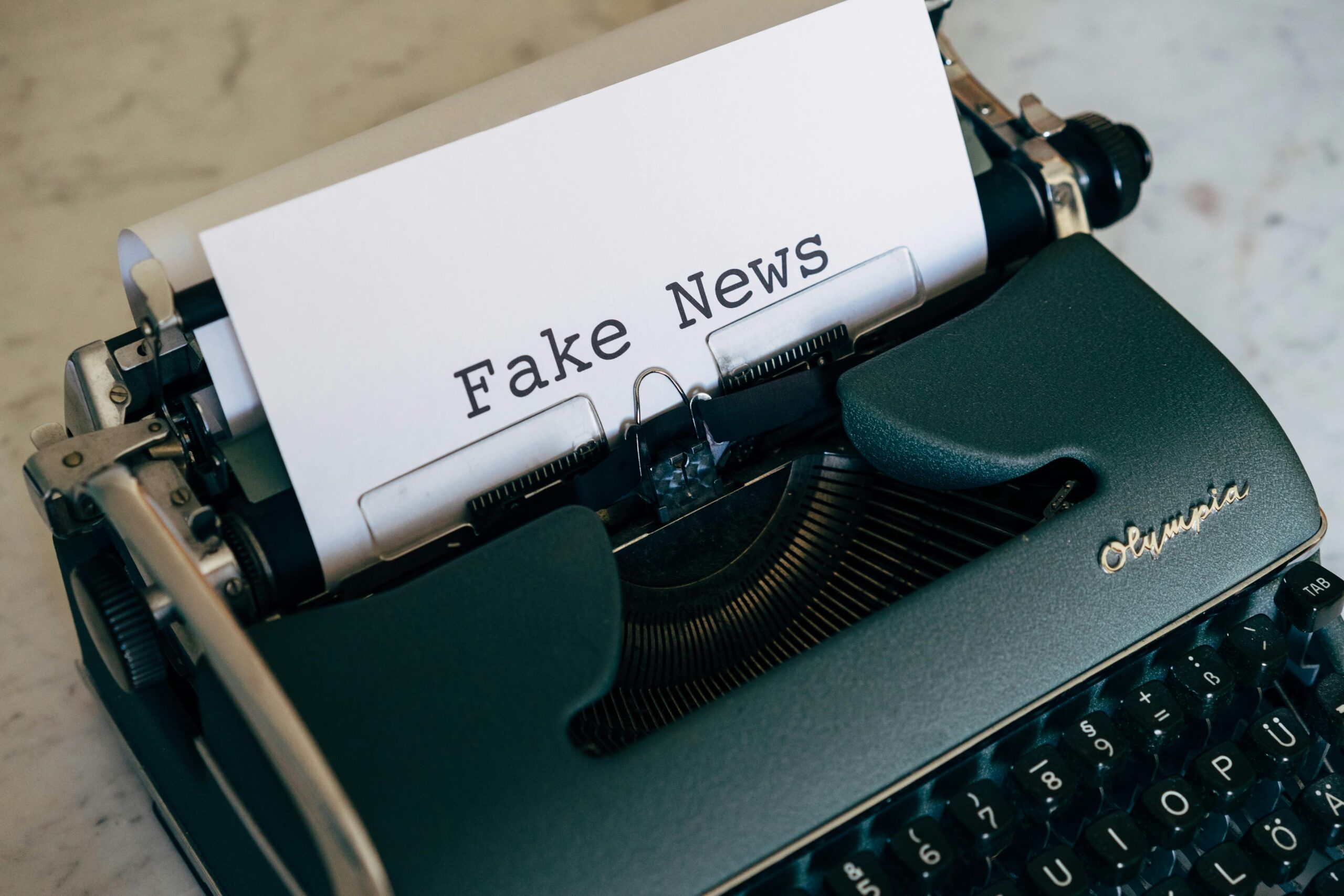
There was a time when most people at least believed there were basic places to go for reliable information. That does not mean those institutions were perfect. They were not. Governments lied. Media organizations got things wrong. Corporations manipulated public opinion. None of that is new.
What feels different now is that people increasingly do not believe anybody is telling the truth at all.
Every story immediately becomes political. Every statistic gets questioned. Every event gets filtered through ideology, algorithms, outrage, and tribal loyalty before people even process what actually happened. Most people are no longer asking, “Is this true?” They are asking, “Who benefits from me believing this?”
That shift changes society in ways people do not fully appreciate yet.
The problem is not disagreement. Healthy societies survive disagreements all the time. The real danger begins when people stop believing good faith exists anywhere. Once that happens, cynicism becomes the default setting. People emotionally retreat into smaller tribes, smaller information bubbles, and smaller versions of reality where they only trust voices that already agree with them.
Social media accelerated this problem by turning information into competition. The goal is no longer clarity. The goal is attention. Outrage spreads faster than nuance. Fear spreads faster than context. Confidence spreads faster than honesty.
Over time, this creates a population that feels mentally exhausted, emotionally suspicious, and permanently uncertain about what is real. People begin to distrust not only institutions, but each other.
And the difficult part is that some of this distrust has been earned. Repeated scandals, manipulation, political theater, corporate greed, and media incentives have damaged public confidence for years. But a society cannot function long term if everybody assumes every source of information is corrupted beyond repair.
At some point, the loss of trust becomes its own crisis.
Because when people stop believing truth can even be found anymore, they do not become more informed. They become easier to manipulate emotionally by whoever speaks to their fears, frustrations, or identity most effectively.
That is the real danger of a post truth society. Not confusion. Exhaustion.
Leave a Reply