
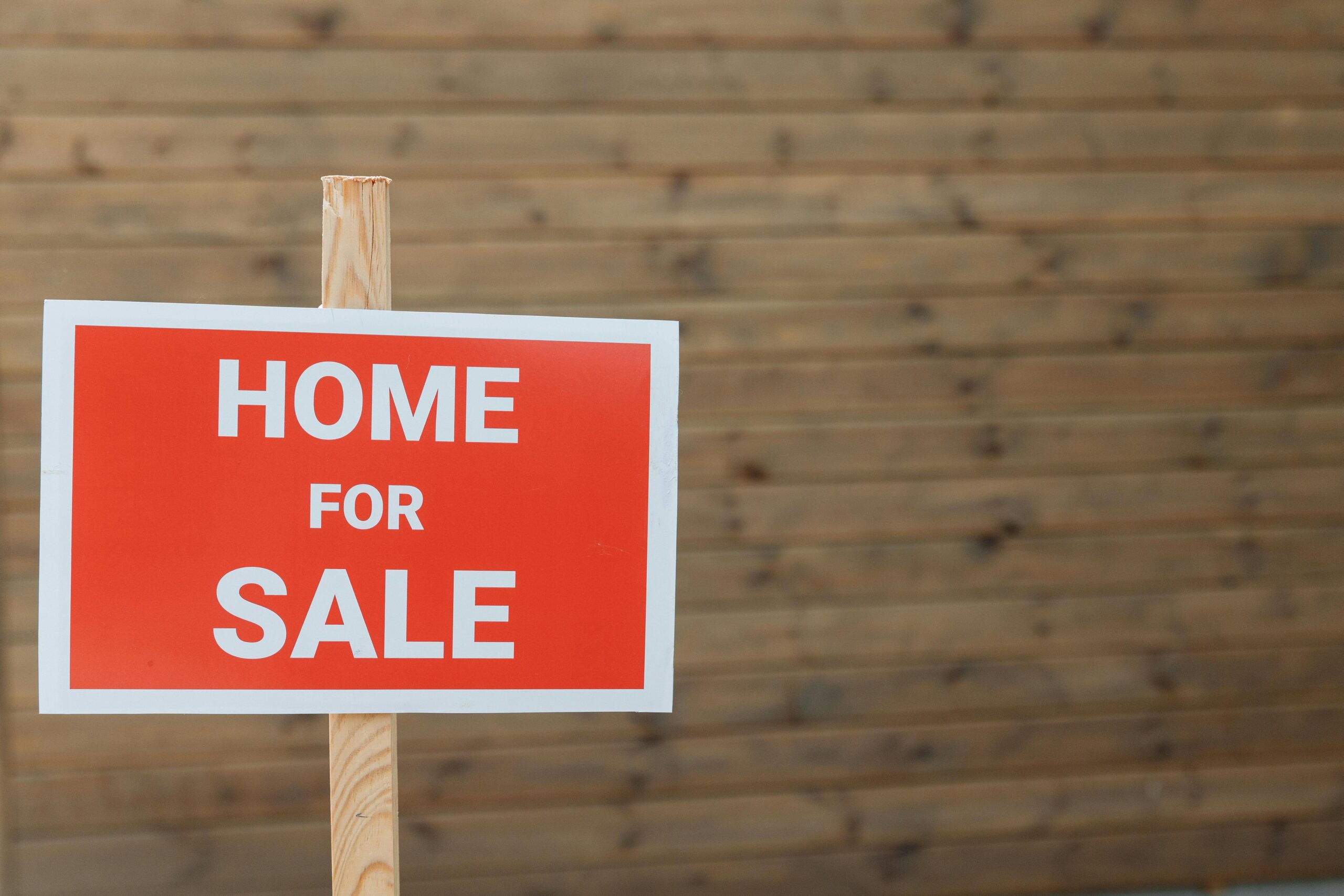
There is a specific kind of frustration that comes from doing everything right and still feeling like the ground is shifting under your feet.
You worked. You paid your bills. You stayed in your lane. Maybe you even bought a home. Maybe you were trying to. Maybe you were just trying to hold on to the one you already had.
And then one day you look up and realize you are being priced out of staying put.
You did not move.
The costs did.
That is the part nobody talks about clearly enough.
We keep being told that if we cannot afford housing, it is because we failed in some personal way. We did not save enough. We did not buy soon enough. We chose the wrong neighborhood. We did not hustle hard enough.
But that explanation falls apart when entire communities start experiencing the same pressure at the same time.
This is not individual irresponsibility. This is structural extraction.
At some point, housing in America stopped being primarily about shelter and started being about investment. Homes became assets first and living spaces second. Neighborhoods became opportunities. Communities became markets.
When that shift happened, everything changed.
Investment firms and cash heavy buyers began purchasing properties in bulk. Flippers started cycling through neighborhoods, resetting price expectations every time they listed a renovated house at a higher number. Each transaction pushed the so called market value upward.
And once that value rises, it does not just sit there.
Rents rise.
Insurance rises.
Property taxes rise.
But the incomes of the people who already live there do not suddenly rise with it.
So now regular families are not competing with other families. They are competing with capital.
That is not a fair fight.
The part that makes this even more unsettling is what happens to homeowners. People assume that owning protects you. It does not, not in the way people think.
When property values increase because outside money floods a neighborhood, local governments reassess. Higher valuations mean higher property taxes. So even if you own your home outright, even if you have been there for decades, you can still be pushed out by a tax bill you cannot afford.
You did not ask for speculation.
You did not ask for investors to reprice your block.
You did not ask for your house to become a data point in someone else’s portfolio.
But you are expected to absorb the cost of it.
That is displacement without a moving truck.
We need to be honest about the role government has played here. Government is not just a background character in this story. It sets the rules of the game. When bulk buying goes unchecked, when communities are not protected from speculative purchasing, when there are no meaningful guardrails, that is not neutrality. That is a policy choice.
When government steps back, concentrated money steps forward.
The result is that housing, which should be foundational, becomes the first and biggest extraction point in people’s lives. Before you buy groceries. Before you address healthcare. Before you build savings. Housing takes its share.
Housing eats first.
And when housing eats first, everything else in your life has to shrink.
That constant financial pressure reshapes how people live. It delays family plans. It keeps people in jobs they hate because they cannot risk instability. It erodes mental health. It fractures communities as longtime residents disappear and are replaced by whoever can pay the new price.
We are watching stability become a luxury.
The cruel part is how this is framed as progress. Rising home values are described as growth. Redevelopment is described as revitalization. But growth for who. Revitalization for who.
If the people who built the community cannot afford to remain in it, that is not shared prosperity. That is extraction with better branding.
This is not about resenting success. It is not about denying that markets exist. It is about asking whether basic shelter should be treated primarily as a vehicle for wealth accumulation.
There is a difference between allowing people to build equity in their homes and allowing housing to be financialized to the point that ordinary people are competing against entities with unlimited leverage.
One builds communities. The other hollow them out.
The most dangerous part of this moment is the quiet shame people carry. People internalize what is happening to them. They think they should be further along. They think they mismanaged something. They think they are the only ones feeling squeezed.
They are not.
If you feel like stability keeps moving just out of reach, that is not because you lack discipline. It is because the rules have shifted. The ground has shifted. And it shifted in favor of capital.
We cannot solve a problem we refuse to name.
People deserve to live where they work. People deserve to remain in communities they helped shape. People deserve housing that functions as shelter first, investment second.
Being able to stay put should not feel like a luxury.
It should be normal.
Leave a Reply